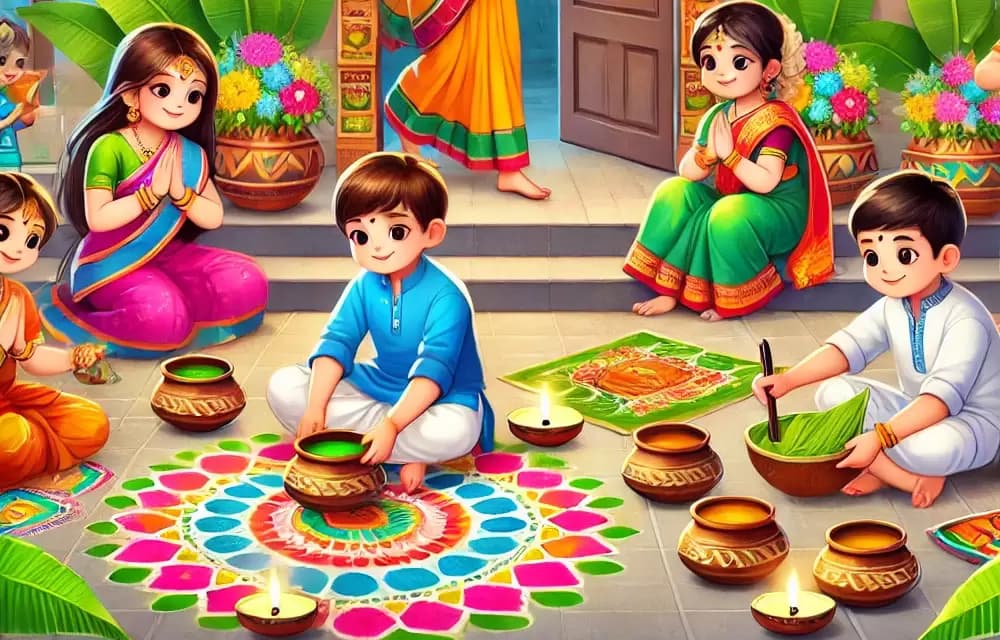
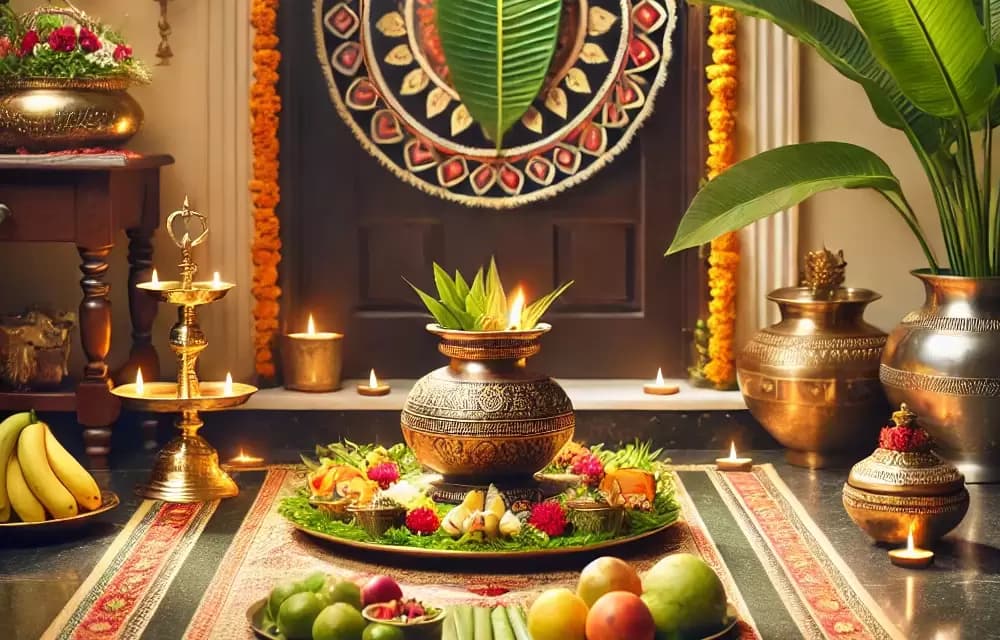
ఉగాది అంటే నూతన సంవత్సర ఆరంభ దినోత్సవం. "ఉగ" అంటే ఆది, అంటే ప్రారంభం. ఇది చైత్ర శుద్ధ పాడ్యమి రోజున వస్తుంది. పురాణాల ప్రకారం, ఈ రోజున సృష్టి ప్రారంభమైందని చెబుతారు. వసంత ఋతువుతో కూడిన ఈ పండుగ కొత్త ఉత్సాహాన్ని, ఆనందాన్ని తెస్తుంది.




Ugadi 2026 falls on Tuesday, 18 March. It marks the start of the Parabhava Nama Samvatsara, the 23rd year of the 60-year Telugu samvatsara cycle.
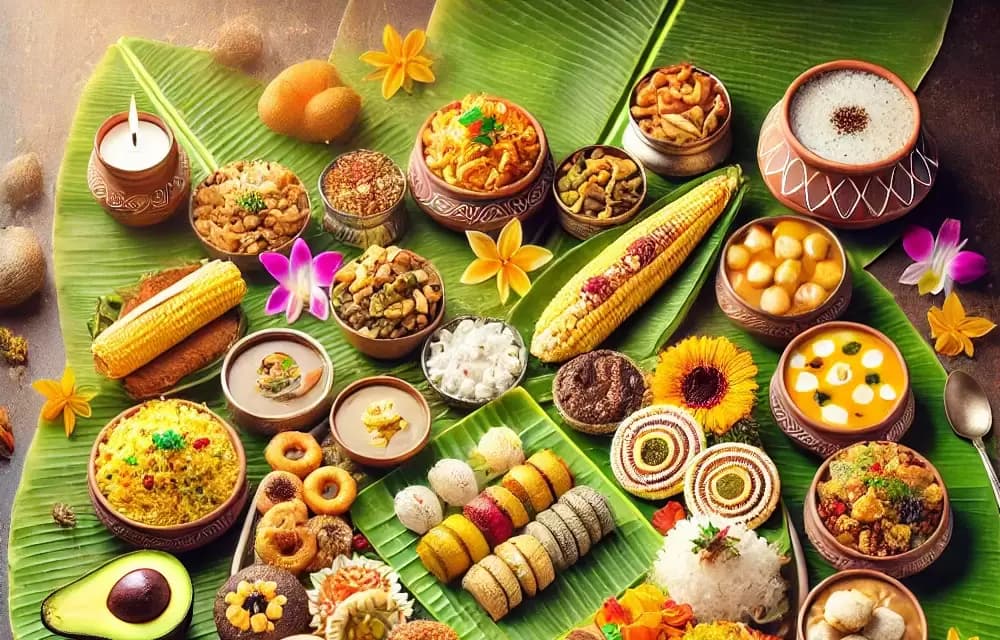
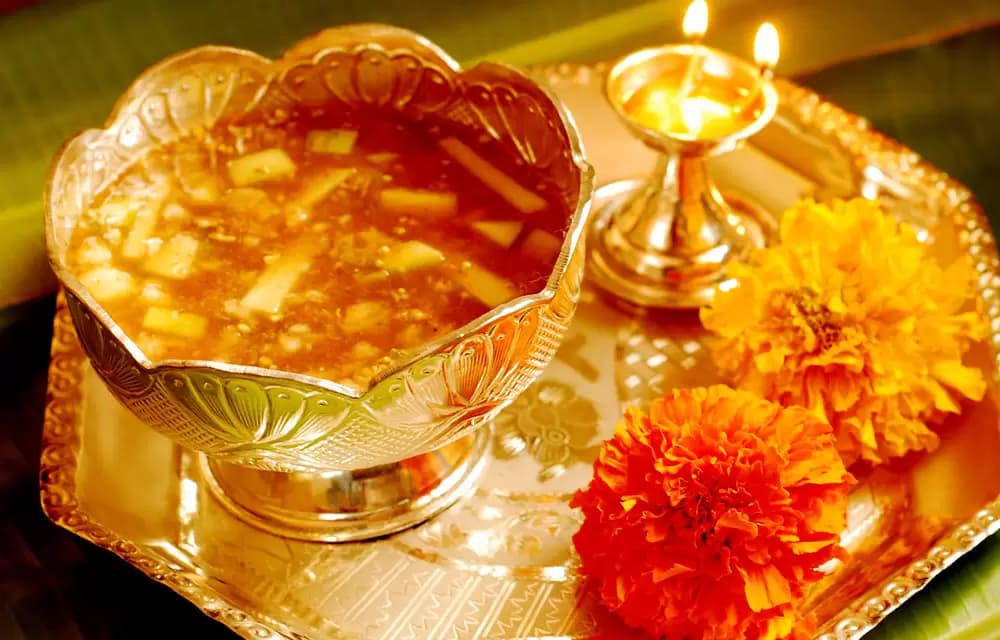
A six-taste chutney prepared and eaten on Ugadi morning. Ingredients: raw green mango (astringent), neem flowers (bitter), jaggery (sweet), tamarind (sour), green chilli (pungent), salt. The six rasas symbolise that the new year will bring all flavours of life and the wise devotee accepts each with equanimity.
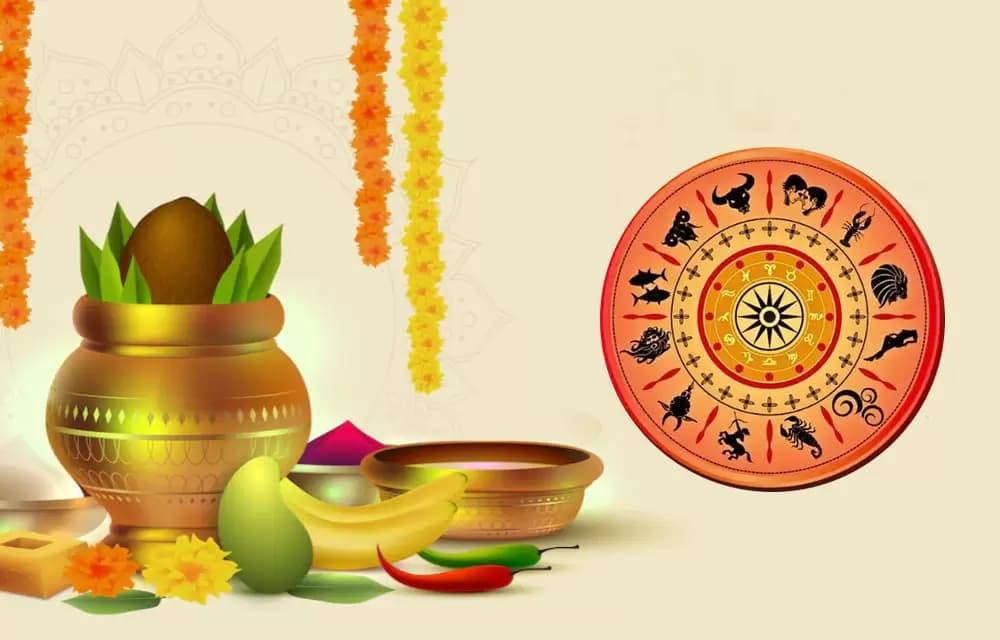
The ceremonial reading of the new year's panchang (almanac) on Ugadi day. The pandit recites the rashi-by-rashi predictions for the coming year, the agricultural and weather outlook, the major festival dates, and the planetary placements. Traditionally held at temples and community gatherings.
Same day, same calendar event (Chaitra Shukla Pratipada), different cultural expressions. Telugu/Kannada families celebrate as Ugadi with Pachadi and Panchanga Sravanam; Marathi families celebrate as Gudi Padwa with the Gudi flag-staff display outside the home; Sindhi families celebrate as Cheti Chand honouring their patron deity Jhulelal.
The 23rd of the 60 Telugu samvatsaras, running from 18 March 2026 to 5 April 2027. Traditional jyotish associates the Parabhava year with reform, hidden transitions, and inner spiritual work — accompanied by selective external losses that clear the way for renewal.
