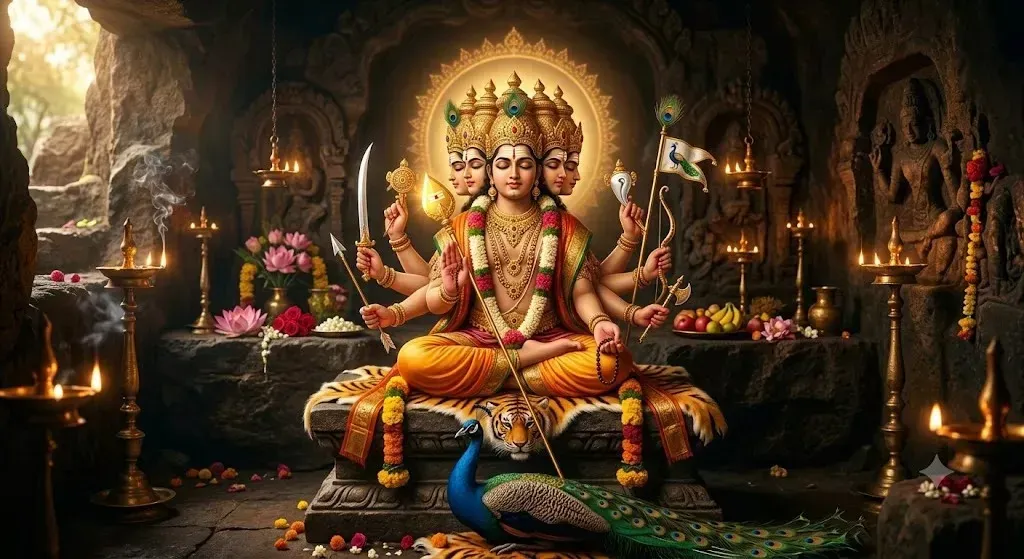
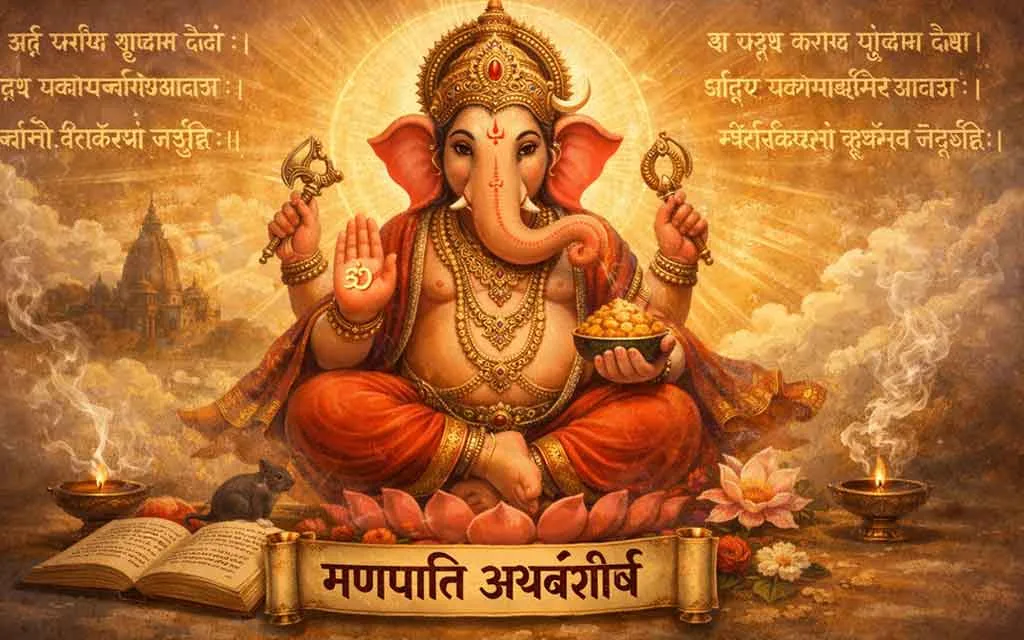
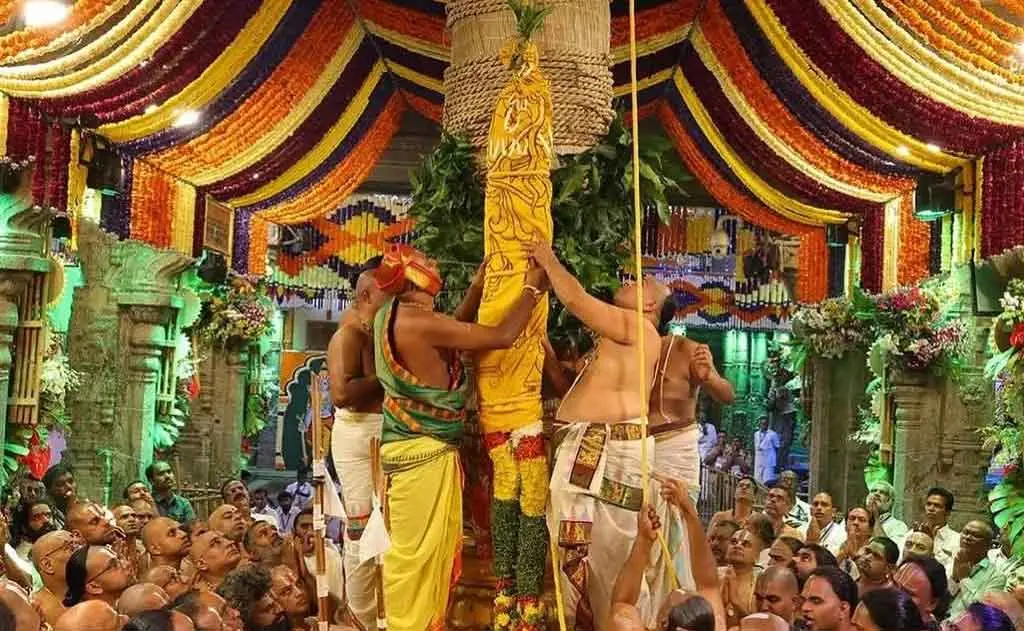
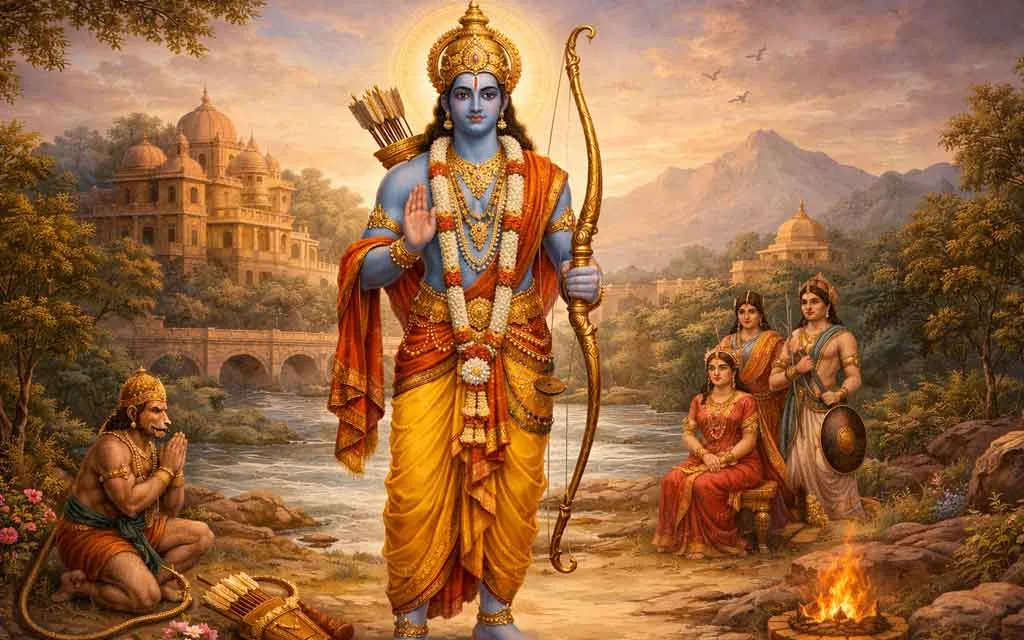
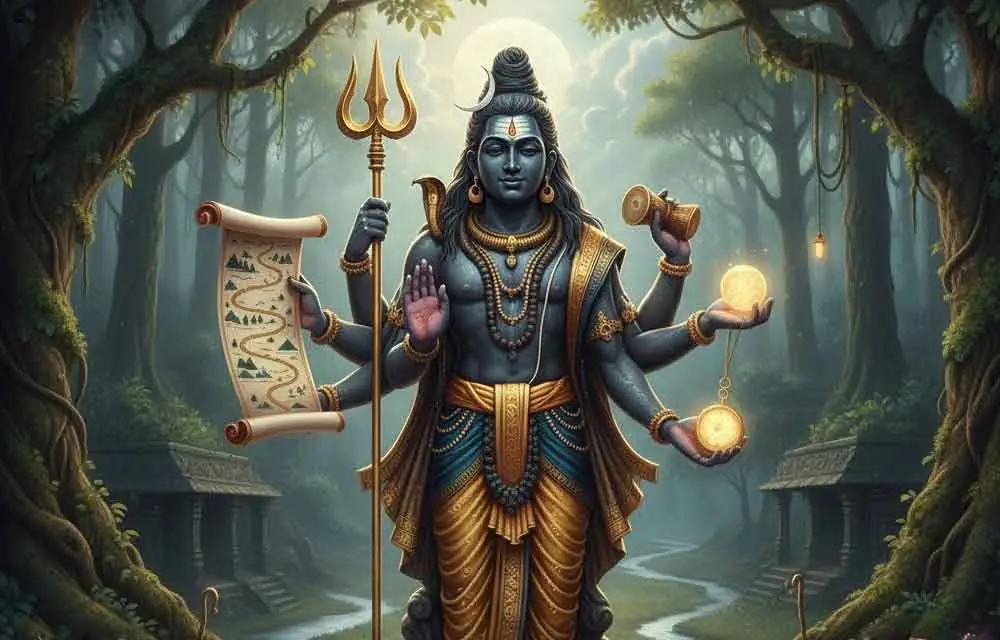
The Vedas speak of 33 koti (group/class) of devatas — often loosely translated as '33 crore'. Theologically Hinduism is monistic: one Brahman expressed through countless forms. Most devotees worship 5–10 primary deities depending on family tradition (Ishta Devata).
Brahma (the four-faced creator), Vishnu (the preserver who incarnates as the Dashavatara), and Shiva (the dissolver and Mahayogi). Their shakti consorts are Saraswathi, Lakshmi and Parvati respectively.
Matsya (fish), Kurma (turtle), Varaha (boar), Narasimha (man-lion), Vamana (dwarf), Parashurama, Rama, Krishna, Buddha and Kalki (yet to come). Each avatar restores dharma at a critical point in cosmic history.
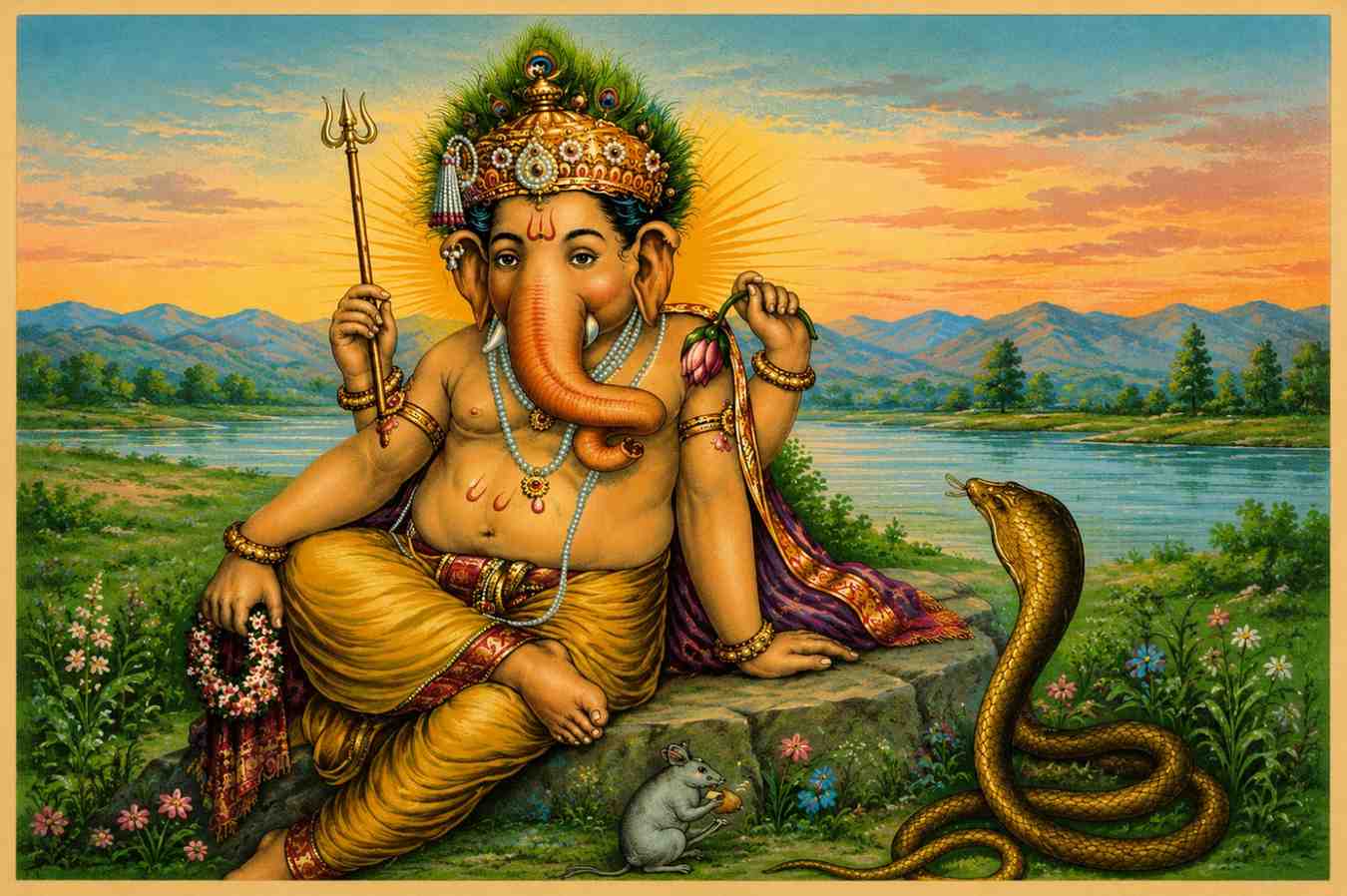
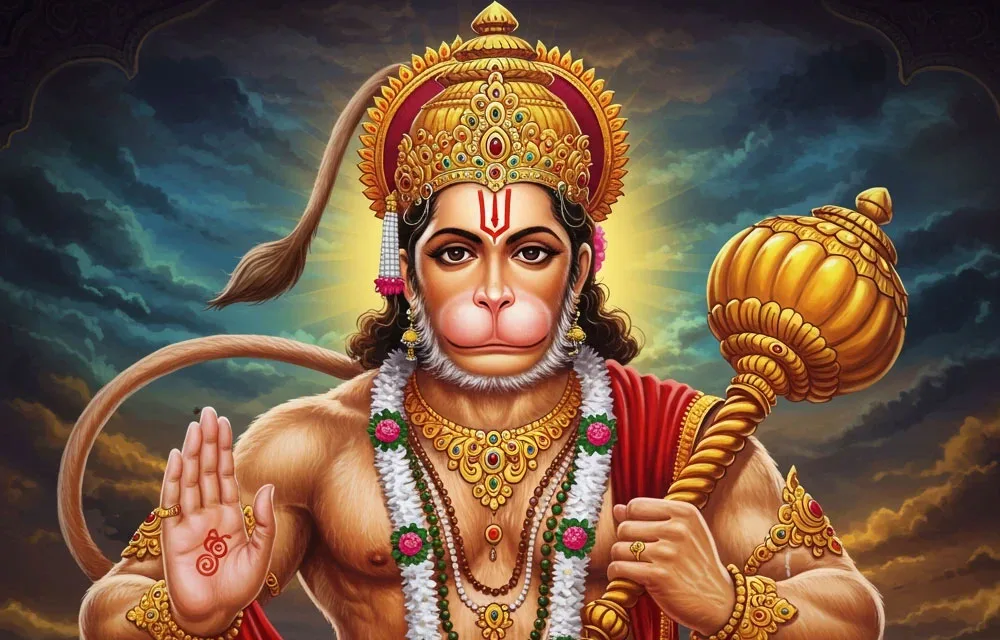
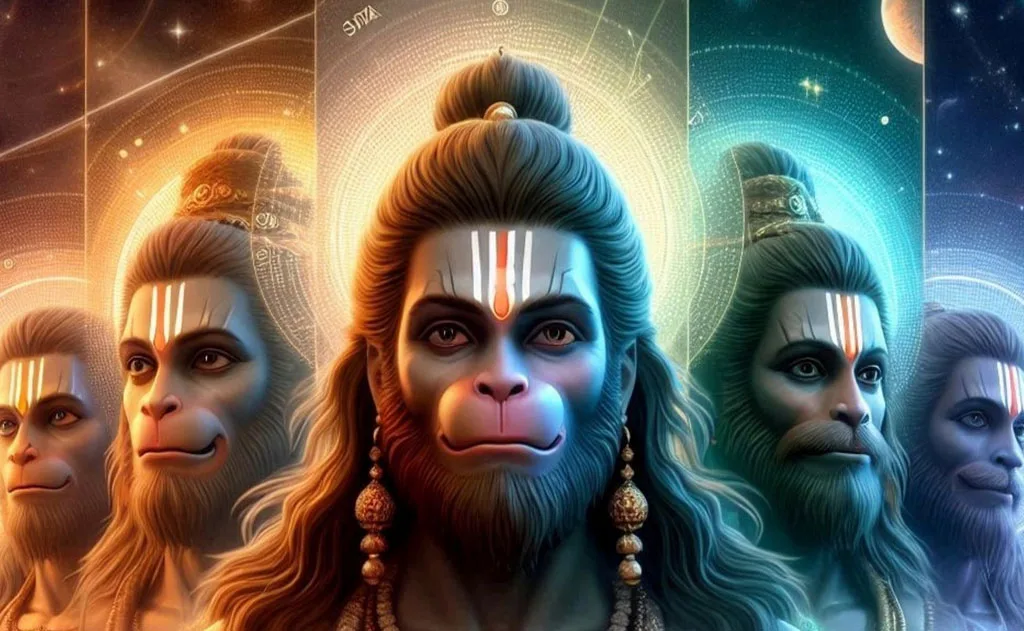
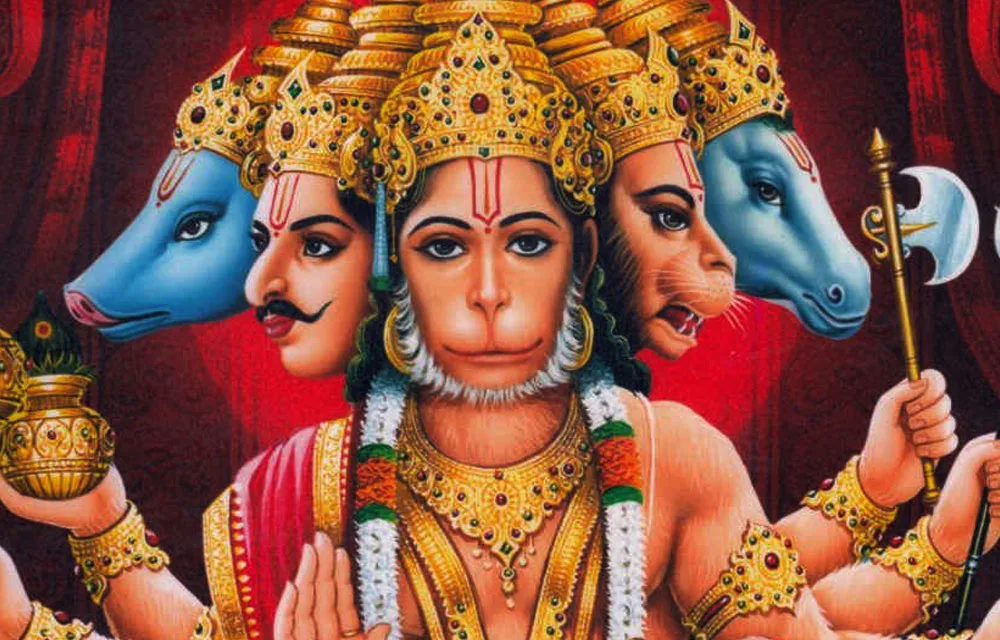
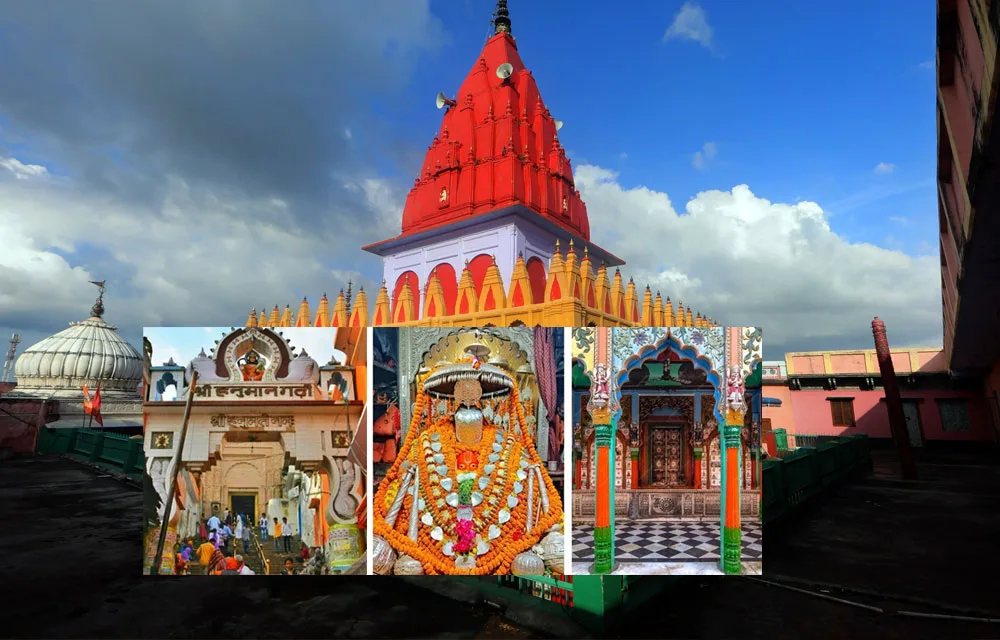
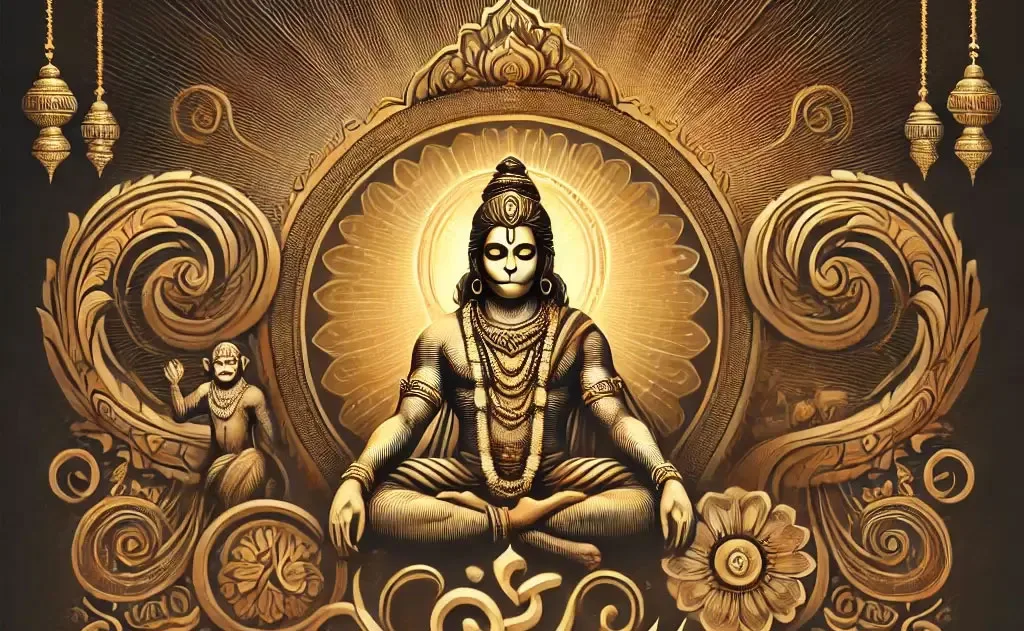
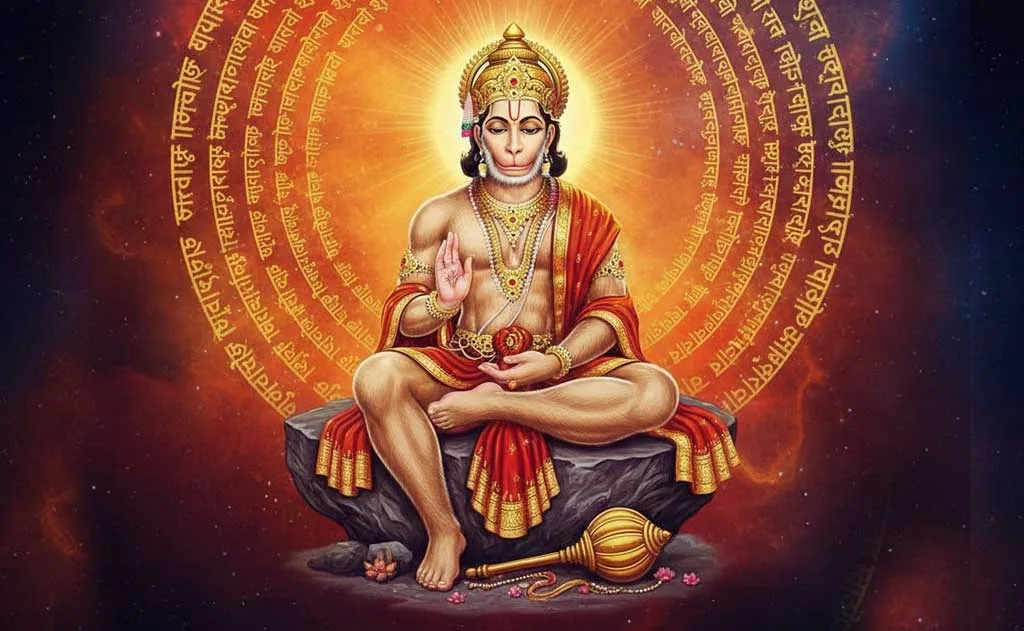
Tradition assigns concerns: Ganesha for removing obstacles, Saraswathi for learning, Lakshmi for wealth, Hanuman for strength and courage, Durga for protection, Lord Shiva for liberation, Krishna for love and bhakti, Rama for dharma. Most Hindus worship many — your Ishta Devata is the personal choice.
Devi is the active power (Shakti) through which Brahman manifests. As Durga she protects; as Lakshmi she nourishes; as Saraswathi she illumines; as Kali she destroys ignorance. Shaktism — worship of Devi as the supreme reality — is one of Hinduism's four major sampradayas.
