
పూజలు, శ్లోకాలు, మంత్రాలు
హిందూ పూజా విధానం, శ్లోకాలు, మంత్రాలు మరియు దైవార్చనా మార్గదర్శనం.

2026లో శ్రీ కాలభైరవ స్వామిని ఎలా పూజించాలి: మంత్రాలు, పూజలు, ముఖ్యమైన తేదీలు, ఆలయాలు & ఆచారాలు | HinduTone
శని త్రయోదశి 2026-2027 తేదీలు: శని ప్రదోషం, పూజా విధానం, తైలాభిషేకం, మంత్రాలు
శ్రీ వేంకటేశ విజయార్యా సప్తవిభక్తి స్తోత్రం: తెలుగు, సంస్కృతం, IAST పాఠం, భావంతో
దీపారాధన విశిష్టత: దీపం జ్యోతి పరబ్రహ్మ శ్లోకం అర్థం, దీపారాధన విధానం, నూనె, వత్తులు
నగరాల వారీగా అమావాస్య తేదీలు, తిథి సమయాలు: నవంబర్ 2026 నుండి జనవరి 2027 వరకు, ఆచారాలు మరియు తర్పణ మార్గదర్శి
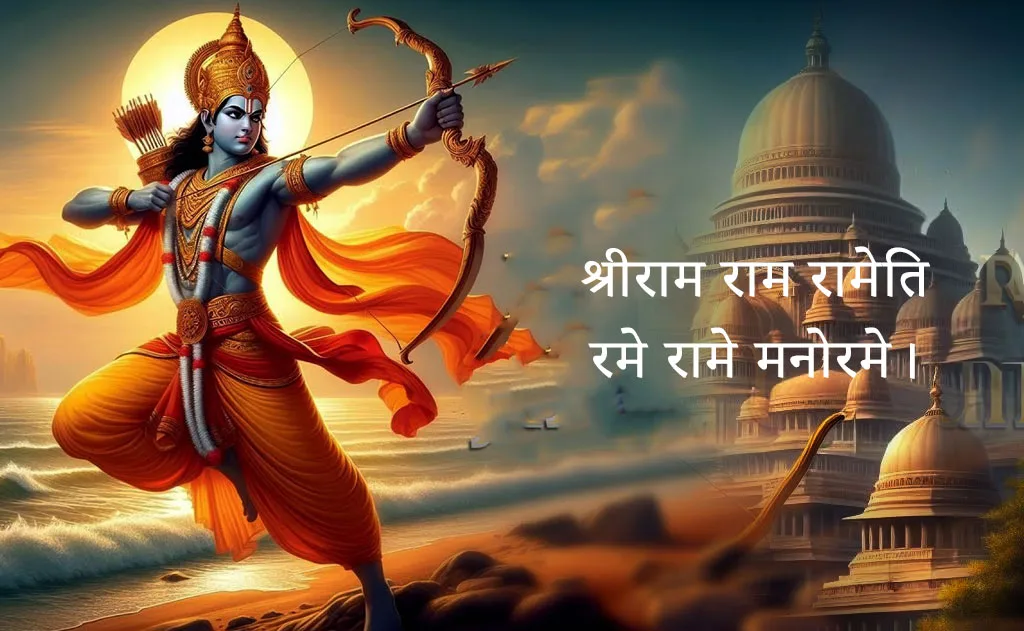
శ్రీ రామ రామ రామేతి: విష్ణు సహస్రనామంతో సమానమైన దివ్య రక్షా కవచం
Explore the Mantras & Slokas cluster

2026లో అయ్యప్ప స్వామిని ఎలా పూజించాలి: మంత్రాలు, పూజలు, ముఖ్యమైన తేదీలు, ఆలయాలు & ఆచారాలు
గణేశ పూజ మరియు మంత్రాలు: ఆర్థిక మాంద్యంలో మీ కెరీర్ మార్గంలోని అడ్డంకులను తొలగించుకోవడం

గణేశ మంత్రం ప్రయోజనాలు — USA, UK & కెనడాలోని NRIల కోసం సంపూర్ణ మార్గదర్శి
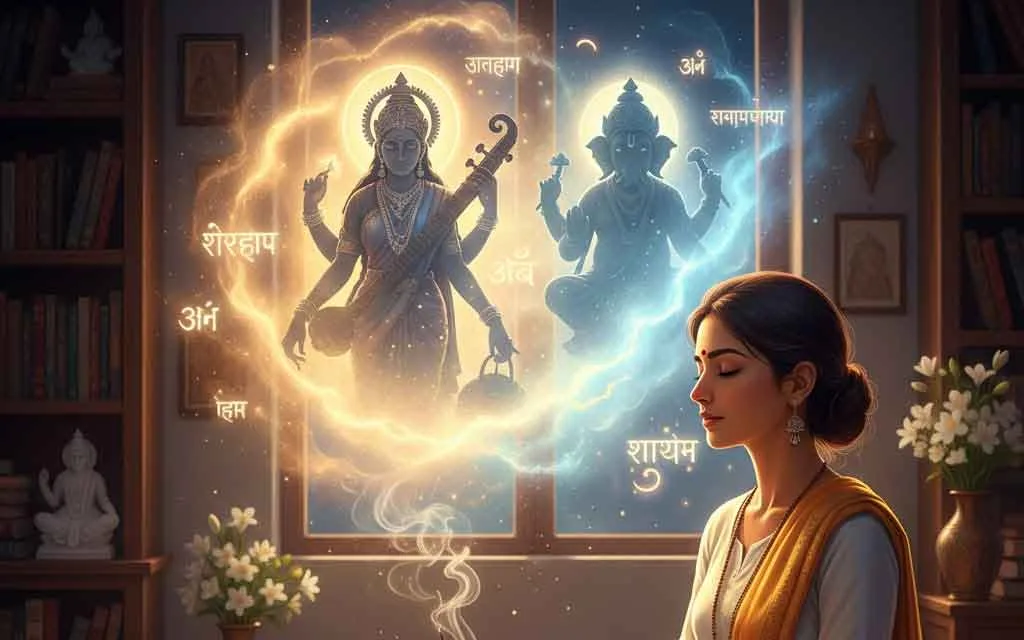
విద్యార్థులకు, చదువులో విజయానికి ఉత్తమ హిందూ మంత్రాలు | SSC పరీక్ష ప్రిపరేషన్ గైడ్

ప్రదోషం: త్రయోదశి (13వ తిథి) నాడు సోమవార శివ పూజకు పూర్తి గైడ్

12 సూర్య నమస్కార మంత్రాలు: అర్థం, ప్రయోజనాలు, శరీరానికీ ఆత్మకూ శక్తినిచ్చే దశలు
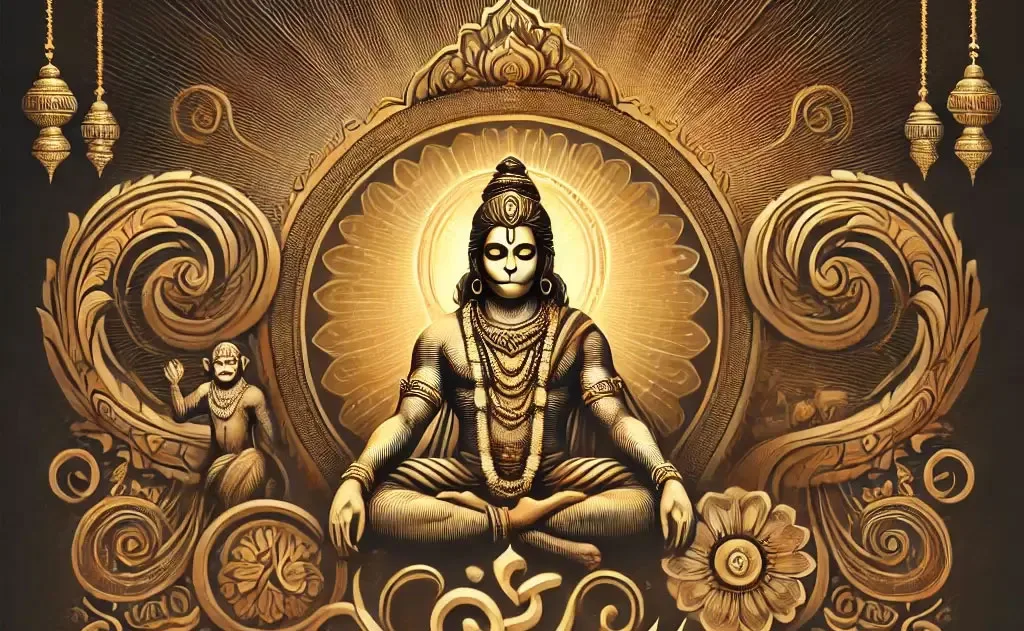
బలం మరియు రక్షణ కోసం ప్రతిరోజూ జపించవలసిన 11 శక్తివంతమైన హనుమాన్ మంత్రాలు

గాయత్రీ మంత్రం — పూర్తి అర్థం, 24 అక్షరాల వైదిక విశ్లేషణ, సంధ్యావందనం & 2026 కోసం 30 రోజుల NRI సాధనా మార్గదర్శి

ఆది శంకరాచార్యుల నర్మదాష్టకం (సబిందు సింధు): సంస్కృత పూర్తి పాఠం, అర్థంతో
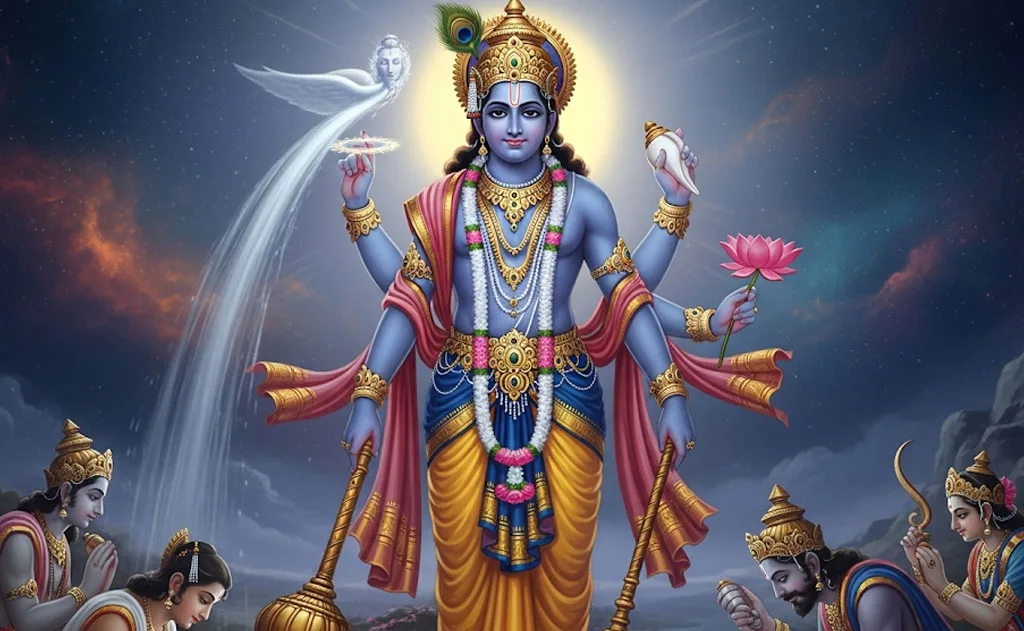
స్వామి బ్రహ్మానంద రచించిన హరి స్తోత్రం (జగజ్జాలపాలం): సంస్కృత పూర్తి పాఠం, అర్థంతో
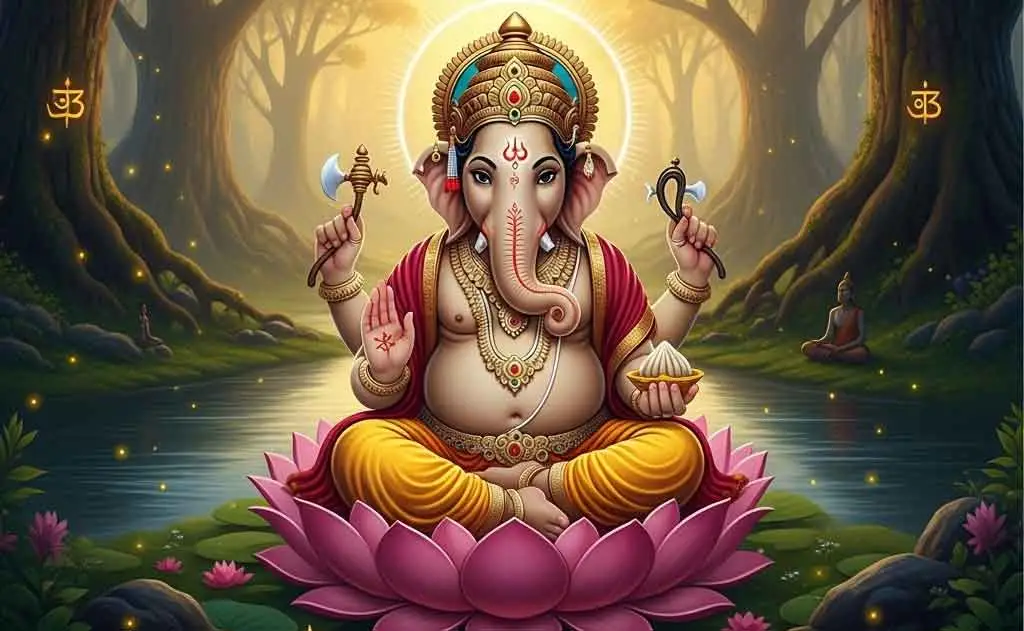
గణేశాష్టకం (యతో అనంతశక్తేః) గణేశ పురాణం నుండి: పూర్తి పాఠం, అర్థంతో
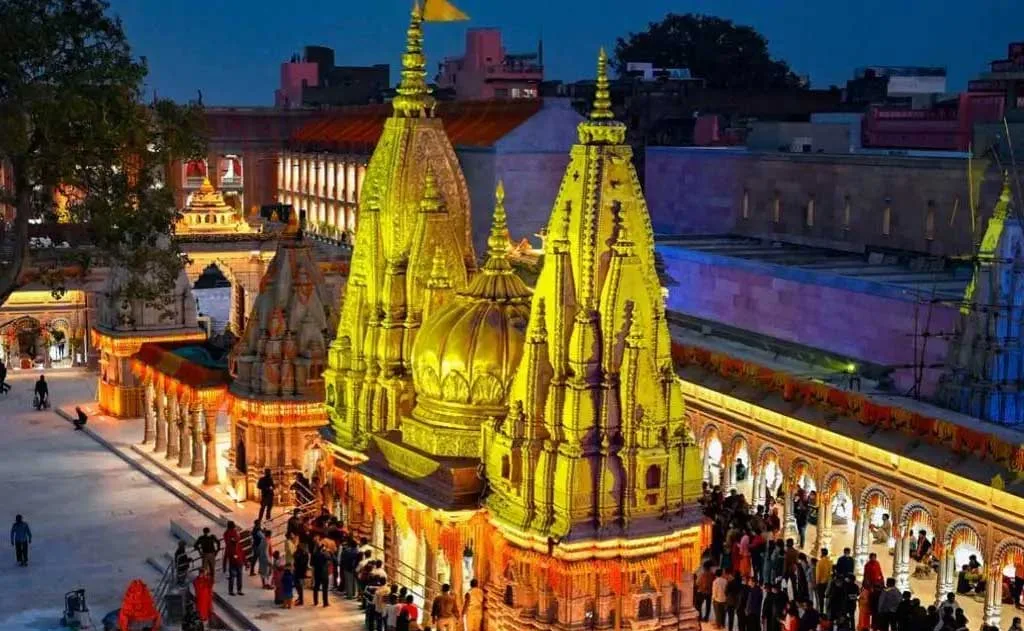
కాశీ విశ్వనాథాష్టకం (గంగాతరంగ రమణీయ జటాకలాపం): పూర్తి పాఠం, అర్థంతో

శివాష్టకం (ప్రభుం ప్రాణనాథం విభుం విశ్వనాథం): పూర్తి పాఠం, అర్థంతో
విష్ణు అష్టోత్తర శతనామావళి: శ్రీ మహావిష్ణువు 108 నామాలు అర్థంతో
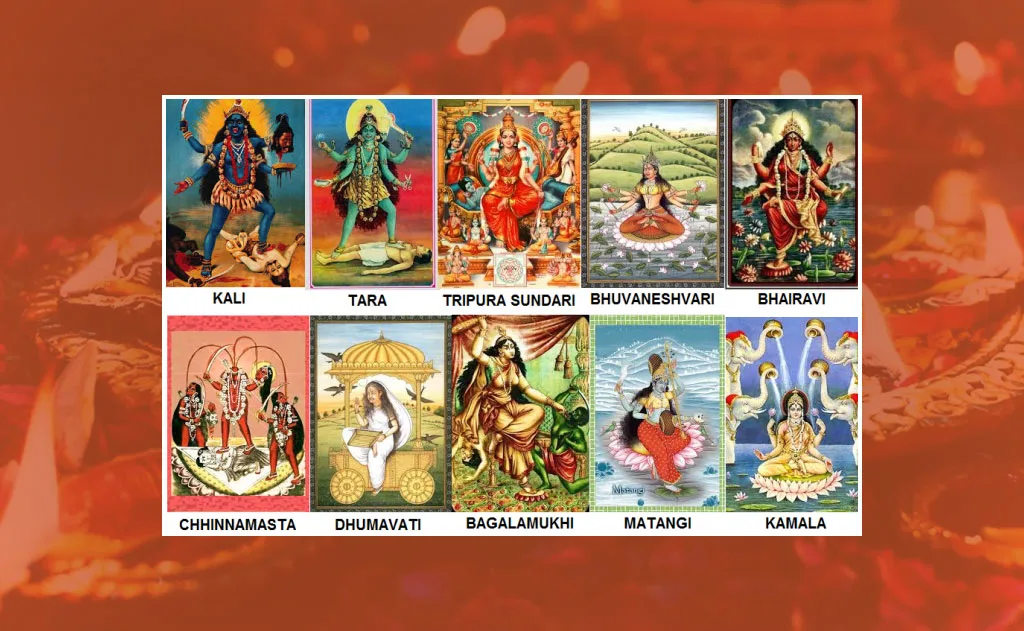
కాళిదాస విరచిత శ్యామలా దండకం (మాణిక్య వీణా): పూర్తి సంస్కృత పాఠం, అర్థంతో

దుర్గాష్టకం (కాత్యాయని మహామాయే): పూర్తి సంస్కృత పాఠం, అర్థంతో
షట్పదీ స్తోత్రం (విష్ణు షట్పదీ, అవినయమపనయ విష్ణో) – ఆది శంకరాచార్య విరచితం: పూర్తి పాఠం, అర్థంతో సహా
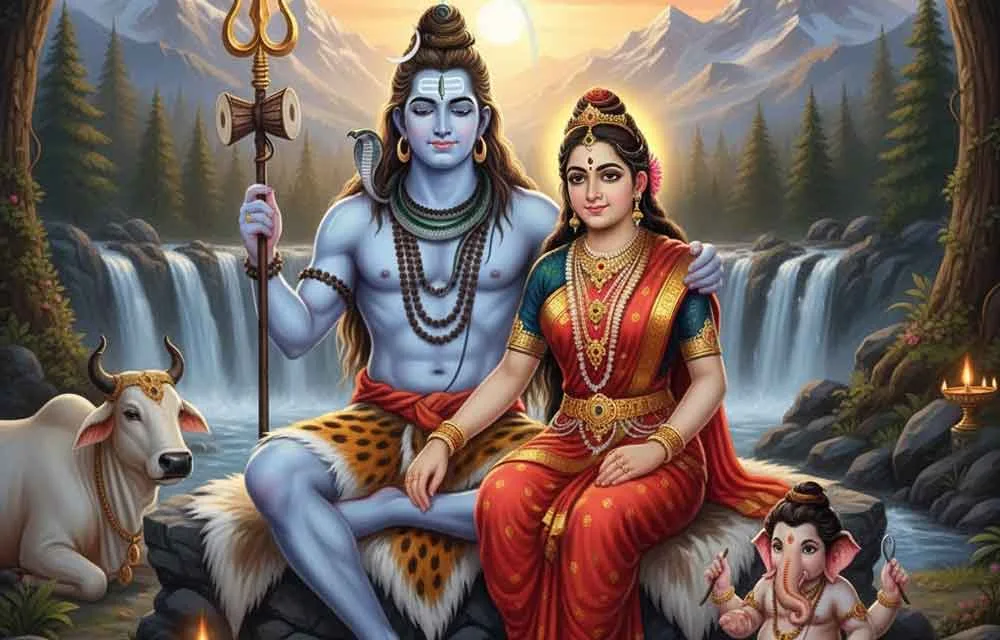
అర్ధనారీశ్వర స్తోత్రం (చాంపేయ గౌరార్ధ శరీరకాయై) – ఆది శంకరాచార్య విరచితం: పూర్తి పాఠం, అర్థంతో
Frequently asked questions
What is the most powerful Hindu mantra?
The Gayatri Mantra is considered the supreme mantra of the Vedas — chanted at Sandhya time (dawn, noon, dusk). Other primary mantras: Om Namah Shivaya for Shiva, Om Namo Narayanaya for Vishnu, Om Aim Saraswathyai Namah for Saraswathi. The "right" mantra is the one your guru gives you or your tradition prescribes.
How many times should I chant a mantra?
Traditional japa counts are 108 (one full mala), 1008 (10 malas), or multiples thereof. The Mahamrityunjaya is chanted 108 times daily for healing; the Gayatri 108–1008 times during Sandhya. Quality of attention (sahishnuta) matters more than count.
What direction should I face while chanting?
Generally East (toward sunrise) for prosperity and learning, North for liberation and wisdom. Avoid facing South except for Yama-related rituals. Sit on a clean cloth or kusha-grass asana; cross-legged padmasana or sukhasana is traditional.
Can non-Hindus chant Vedic mantras?
Yes — modern Sanatana practice welcomes sincere seekers from any background to chant mantras like the Gayatri, Mahamrityunjaya and Om. Some specialized Vedic rituals (like Upakarma) traditionally require initiation, but personal mantra japa is universal.
What is the difference between a mantra and a sloka?
A mantra is a sound formula — often a single syllable or short phrase — chanted to invoke a deity or transform consciousness. A sloka is a metrical verse, usually two lines of Sanskrit, that describes or praises. Slokas can contain mantras; mantras are not always slokas.